What is plastic compounding used for?
Plastic compounding can help manufacturers achieve specific colours, performance properties and material...
Read More


Colour plays a far more important role in injection moulding than simply making a product look good.
From brand identity to product performance, the way colour is introduced — and controlled — can have a direct impact on quality, consistency, and efficiency.
At Plascolour, we work closely with manufacturers to ensure colour works with the process, not against it.
In injection moulding, colour is often tied to:
✔ Brand recognition and product differentiation
✔ Consumer perception of quality
✔ Functional requirements (e.g. opacity, UV resistance)
Even small inconsistencies can affect how a product is perceived — making precision essential.
The most common way to introduce colour in injection moulding is through masterbatch.
This involves dispersing pigments into a carrier resin, which is then blended with the base polymer during processing.
The benefits include:
✔ Consistent colour distribution
✔ Clean and efficient processing
✔ Flexibility across materials and applications
To achieve a high-quality finish, several technical factors need to be considered:
Getting these right helps avoid common issues like streaking, colour variation, or poor surface finish.
Colour in injection moulding isn’t just visual — it can also support performance.
For example:
✔ UV stabilisers can be incorporated to extend product life
✔ Additives can improve processing and durability
✔ Specific colours can help with sorting and recycling
Achieving consistent, high-quality colour in injection moulding requires both technical expertise and reliable supply.
That’s why manufacturers often work with partners who understand not just colour — but the full production process.
If you’re looking to improve colour consistency or performance in your injection moulding process, the right approach can make all the difference.
📩 Get in touch with Plascolour to discuss your requirements.
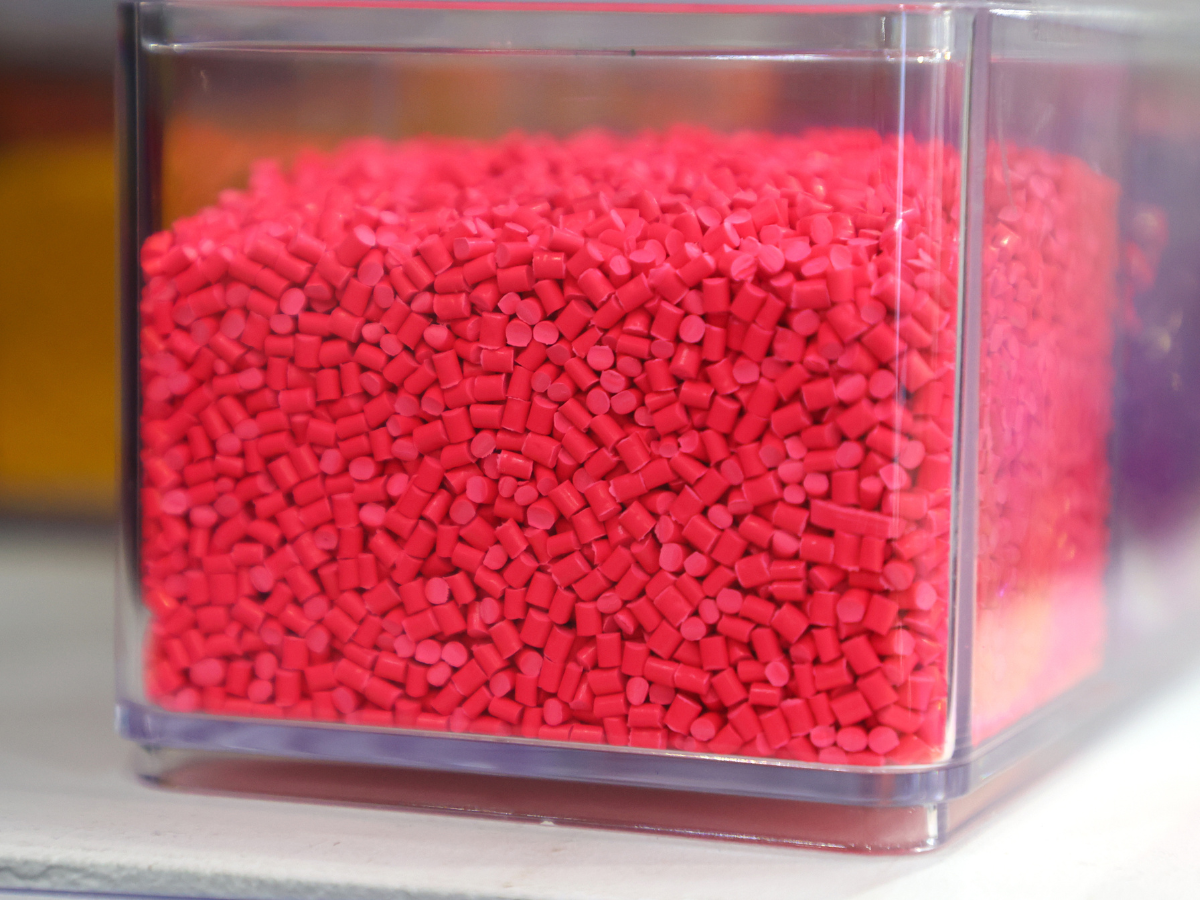
Plastic compounding can help manufacturers achieve specific colours, performance properties and material...
Read More
Looking for recycled plastic compound suppliers in the UK? Discover what to...
Read More
Discover the differences between colour compounds and masterbatch, and learn how to...
Read More